
Communication Problems
Effective communication is the foundation of healthy relationships. Learn to express yourself and connect deeply with others.
Bukola Olotu
12/14/20253 min read
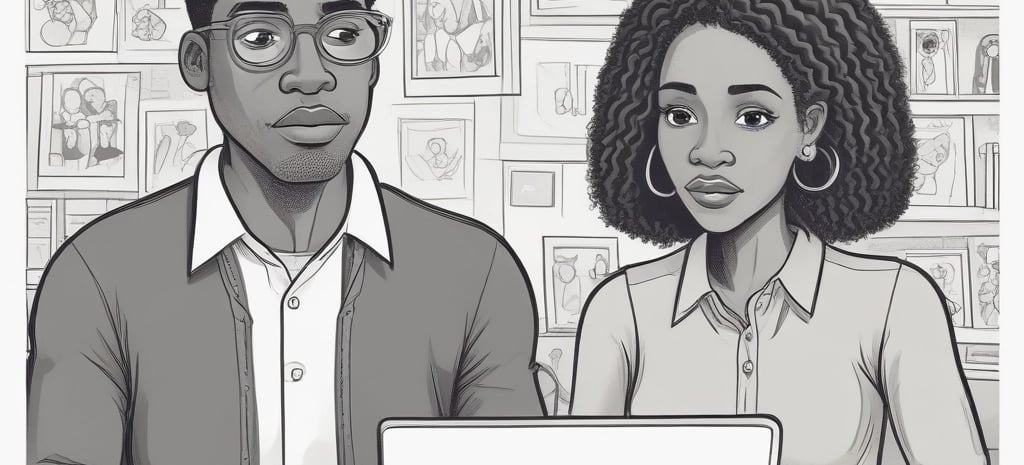

Understanding Communication Challenges
Communication is at the heart of every relationship. It shapes how we connect, resolve conflict, express love, and feel understood by others. Yet communication is far more than the words we speak—it includes tone of voice, body language, timing, emotional awareness, and the ability to truly listen. When one or more of these elements break down, misunderstandings, frustration, and emotional distance can quickly follow.
Many people assume communication problems mean incompatibility or lack of care, but this is rarely the case. Most communication challenges arise from learned patterns, emotional habits, and unspoken fears rather than from intentional harm. With awareness and guidance, these patterns can be understood, unlearned, and replaced with healthier ways of relating.
Counselling offers a supportive space to explore how you communicate, why certain patterns repeat, and how to develop skills that lead to clearer expression, deeper understanding, and stronger, more fulfilling relationships.
Why Communication Breaks Down
Communication difficulties often develop over time and are shaped by early life experiences, family dynamics, and past relationships. Many people grow up in environments where emotions were ignored, dismissed, or poorly expressed. Others may have learned to avoid conflict altogether or to express frustration through anger or withdrawal.
Common contributors to communication challenges include:
Fear of vulnerability or rejection
Past emotional wounds or unresolved conflicts
Differences in communication styles
Stress, fatigue, or emotional overload
Assumptions and unspoken expectations
Difficulty identifying or expressing emotions
When these factors are left unaddressed, conversations can become tense, confusing, or emotionally charged. Small misunderstandings may escalate into arguments, while important issues remain unresolved.
The Emotional Impact of Poor Communication
Ongoing communication challenges can affect more than just conversations—they can impact emotional wellbeing and relationship satisfaction. Over time, individuals may begin to feel unheard, dismissed, or disconnected. This emotional strain can lead to resentment, withdrawal, or repeated conflict cycles.
In relationships, poor communication can create:
Emotional distance and lack of intimacy
Repeated arguments over the same issues
Feelings of loneliness, even within close relationships
Increased stress and frustration
Difficulty resolving disagreements constructively
Counselling helps break these cycles by addressing both the emotional and practical aspects of communication.
Signs You Might Benefit from Counselling
Communication counselling can be helpful if you notice any of the following patterns in your relationships:
Frequent misunderstandings with partners, family members, or colleagues
Feeling unheard, dismissed, or invalidated
Difficulty expressing needs, boundaries, or emotions clearly
Avoiding difficult or important conversations
Arguments that escalate quickly or feel unproductive
Shutting down emotionally during conflict
Passive-aggressive communication patterns
Fear of speaking up or asserting yourself
These signs do not mean you are “bad at communication.” They simply indicate areas where support and skill development can make a meaningful difference.
How Counselling Can Help
Counselling focuses on helping individuals and couples develop practical communication skills while also addressing the emotional barriers that interfere with healthy interaction.
Active Listening
One of the most powerful tools in communication is the ability to truly listen. Counselling teaches active listening techniques that go beyond simply hearing words. You’ll learn how to:
Listen without interrupting or preparing a response
Reflect back what you hear to ensure understanding
Respond with empathy rather than defensiveness
Active listening fosters deeper connection and reduces misunderstandings by helping others feel seen and valued.
Assertive Expression
Many people struggle to express their needs clearly—either becoming passive and withholding feelings, or aggressive and overwhelming others. Counselling helps you develop assertive communication skills that allow you to express yourself honestly and respectfully.
Assertive expression involves:
Communicating needs and boundaries clearly
Using calm, respectful language
Avoiding blame or criticism
Speaking with confidence rather than fear
This balanced approach helps protect relationships while honouring your own emotional needs.
Conflict Navigation
Disagreements are a natural part of relationships, but they do not have to be damaging. Counselling teaches constructive ways to navigate conflict without escalation, shutdown, or emotional harm.
You’ll learn how to:
Stay focused on the issue rather than past grievances
Manage emotional reactions during disagreements
Work toward solutions that respect all parties involved
Healthy conflict navigation strengthens trust and reduces fear around difficult conversations.
Emotional Awareness
Effective communication requires emotional awareness—the ability to recognise, understand, and express what you are feeling. Many communication breakdowns occur because emotions go unspoken or are expressed indirectly.
Counselling helps you:
Identify and name emotions accurately
Understand how emotions influence communication
Express feelings in ways that invite understanding rather than conflict
Greater emotional awareness leads to more authentic and meaningful conversations.
What to Expect in Counselling Sessions
Counselling sessions provide a safe, non-judgmental environment where you can explore communication challenges openly. Sessions are tailored to your specific needs, whether you are working individually or with a partner.
During sessions, we may explore communication patterns, identify recurring challenges, and practice new skills that can be applied in everyday interactions. The pace is gentle and collaborative, ensuring that growth feels supportive rather than overwhelming.
Strengthening Relationships Through Communication
Improving communication does not mean achieving perfection—it means building awareness, patience, and flexibility. With guidance and practice, it is possible to move from frustration and misunderstanding to clarity and connection.
Counselling supports you in developing communication habits that foster respect, emotional safety, and deeper relationships. Over time, these skills can positively impact every area of your life—from personal relationships to professional interactions.
Moving Forward With Confidence
Learning to communicate more effectively is an investment in your emotional wellbeing and relational health. With the right tools and support, communication challenges can become opportunities for growth rather than sources of conflict.
Counselling provides a path toward clearer expression, stronger connections, and healthier relationships built on understanding and mutual respect.
© 2025 Bukola Olotu. All rights reserved.
Bukola Olotu
A private practice helping successful professionals build stronger, healthier marriages through 20+ years of trusted counselling expertise.
Marriage Counsellor & Relationship Advisor
Designed by SEO Chiefs