
Anxiety & Stress
Feeling overwhelmed doesn't have to be your constant state. Learn to manage anxiety and find peace in your daily life.
Bukkola Olotu
12/14/20253 min read
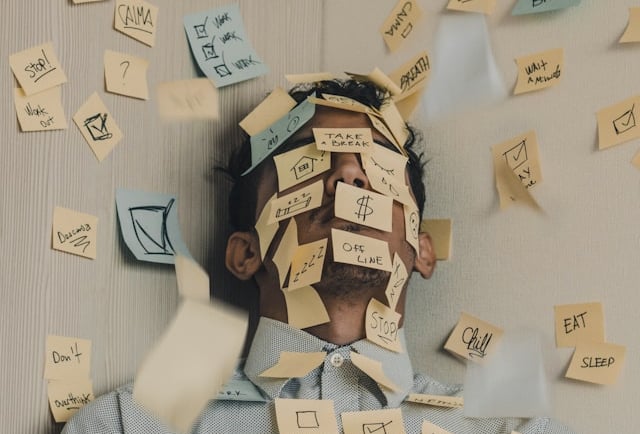

Understanding Anxiety & Stress
Anxiety and stress are natural human responses to life’s challenges, uncertainties, and demands. In small doses, they can even be helpful—motivating us to prepare, stay alert, and respond to serious situations. However, when anxiety and stress become intense, persistent, or overwhelming, they can begin to interfere with daily life, relationships, physical health, and overall emotional well-being.
Many people struggle silently with anxiety, believing they should be able to “handle it” on their own. Others may feel ashamed, weak, or confused by their symptoms. The truth is that anxiety and stress affect people of all ages, backgrounds, and professions, and seeking support is not a sign of weakness—it is a positive and courageous step toward healing.
Whether you are experiencing generalised anxiety, work-related stress, emotional overwhelm, panic attacks, or specific fears, these experiences are valid and treatable. With the right guidance and support, it is possible to regain a sense of calm, balance, and control over your life.
Understanding Anxiety and Stress
Anxiety often involves excessive worry, fear, or anticipation of future events, even when there is no immediate danger. Stress, on the other hand, is typically a response to external pressures such as work demands, family responsibilities, financial concerns, or major life changes. While anxiety and stress are closely related, they can affect individuals differently.
Left unaddressed, chronic anxiety and stress can lead to emotional exhaustion, strained relationships, decreased productivity, and physical symptoms such as headaches, muscle tension, digestive issues, and fatigue. Over time, they can also contribute to more serious mental health challenges.
Counselling provides a supportive space to better understand these experiences, identify what is driving them, and learn healthier ways to respond.
You Are Not Alone
Anxiety disorders are among the most common mental health challenges worldwide. Many people experience anxiety at some point in their lives, particularly during periods of change, uncertainty, or increased responsibility. Despite how isolating anxiety can feel, you are not alone—and help is available.
Counselling offers a compassionate, non-judgmental environment where your experiences are taken seriously. Rather than dismissing symptoms or simply trying to “push through,” counselling focuses on understanding the root causes of anxiety and developing strategies that work for your unique situation.
Signs You Might Benefit from Counselling
You may benefit from counselling if anxiety or stress is affecting your ability to function or enjoy life. Common signs include:
Constant worry, overthinking, or racing thoughts
Difficulty sleeping, relaxing, or feeling at ease
Physical symptoms such as headaches, muscle tension, chest tightness, or fatigue
Feeling overwhelmed by everyday responsibilities
Irritability, restlessness, or emotional sensitivity
Avoiding certain situations, places, or people due to fear
Difficulty concentrating or making decisions
Panic attacks or sudden episodes of intense fear
These symptoms can vary in intensity and frequency, but if they persist or worsen, professional support can make a meaningful difference.
How Counselling Can Help
Counselling for anxiety and stress is focused on helping you understand your experiences, reduce symptoms, and build long-term coping skills.
Understanding Triggers
One of the first steps in counselling is identifying the triggers behind your anxiety and stress. These may include specific situations, thought patterns, past experiences, or ongoing pressures in your life.
By becoming more aware of what triggers your responses, you gain greater insight and control, making it easier to anticipate challenges and respond more effectively.
Relaxation Techniques
Counselling introduces practical techniques to calm the nervous system and reduce physical symptoms of anxiety. These may include:
Breathing exercises
Mindfulness practices
Grounding techniques
Progressive muscle relaxation
These tools help you feel more present, reduce overwhelm, and manage anxiety as it arises in daily life.
Cognitive Restructuring
Anxiety often involves negative or distorted thought patterns that increase fear and stress. Counselling helps you recognize these patterns and gently challenge them.
Through cognitive restructuring, you learn to replace unhelpful thoughts with more balanced and realistic perspectives. Over time, this process reduces emotional distress and increases confidence in handling stressful situations.
Building Emotional Resilience
Beyond symptom relief, counselling focuses on strengthening emotional resilience—the ability to cope with life’s challenges without becoming overwhelmed. You’ll develop healthier coping strategies, improve emotional regulation, and build self-awareness.
This resilience allows you to navigate future stressors with greater ease and confidence, rather than feeling controlled by anxiety.
What to Expect in Counselling Sessions
Counselling sessions offer a safe, confidential, and supportive environment where you can speak openly about your experiences. Sessions are tailored to your specific needs, goals, and comfort level.
Some individuals focus on managing daily stress, while others work through deeper anxiety patterns or past experiences that continue to influence their present. Together, we work at a pace that feels right for you, ensuring that the process feels supportive rather than overwhelming.
Moving Toward Calm and Balance
Living with anxiety and chronic stress can feel exhausting, but it does not have to define your life. With the right support, it is possible to regain a sense of calm, clarity, and emotional balance.
Counselling provides tools, insight, and encouragement to help you move forward with greater confidence and inner peace. Taking the first step toward support can open the door to lasting positive change.
© 2025 Bukola Olotu. All rights reserved.
Bukola Olotu
A private practice helping successful professionals build stronger, healthier marriages through 20+ years of trusted counselling expertise.
Marriage Counsellor & Relationship Advisor
Designed by SEO Chiefs